
Breeder Voyage (Vol.2) – Honey Bananas
Breeder Voyage Vol. 2
Honey Bananas: A Different Kind of Genetic Journey
Breeder Voyage is a casual deep dive into the lived stories behind cannabis — where plants come from, who keeps them alive, and what they become in the hands of people who truly depend on them. Not every meaningful genetic journey begins with breeding. Some begin with survival.
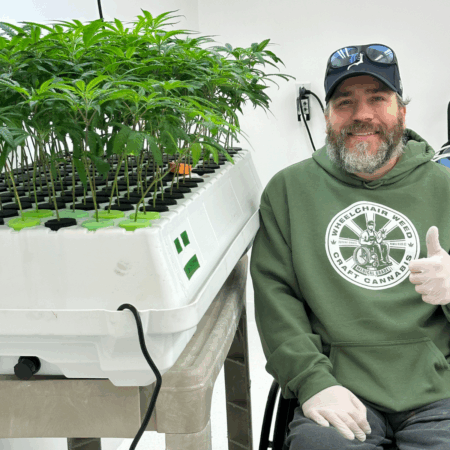
This volume takes us into Wheelchair Weed Craft Cannabis’s garden and into the lived experience of its founder, Brent Bryksa.
Wheelchair Weed exists for people navigating their day — whatever that day may look like.
After a life-altering spinal cord injury, Brent turned to medical cannabis as part of his personal care routine when conventional options no longer met his needs.
His garden became a sanctuary — and eventually, a way to grow cannabis with intention and consistency for people who depend on predictability in their daily lives.
“Whether someone uses cannabis at home or in a hospital setting, I want to grow something consistent and reliable — something people can trust as part of their day.”
We asked Brent a few questions about Honey Bananas, craft cannabis, and the work that happens quietly behind the scenes.
For people discovering Wheelchair Weed for the first time — what do you do, and why do you do it?
“There are many people navigating complex health realities, and many are looking for consistency and quality in the cannabis they choose to include in their routines.
After I was paralyzed and began using medical cannabis as part of my own personal care routine, my focus shifted toward learning the plant as deeply as possible — how different genetics grow, how they respond to stress, and how to cultivate them with care and consistency.
My cannabis garden has always been my sanctuary. I feel very grateful to be able to grow cannabis with intention for people who value reliability and trust in what they’re consuming.”
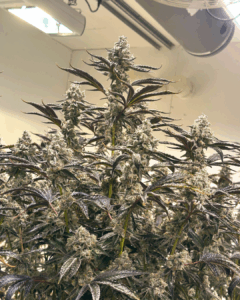
All Gas OG in all her Glory.
What drew you to growing Honey Bananas?
“Honey Bananas made a big impact on my life from the moment it entered my garden. Even as a clone that wasn’t in good health, it had the strength to survive a long journey and the will to flourish against all odds.
That resilience told me it was a special plant — one I needed to take care of and nurse back to health.
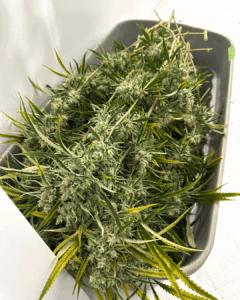
Even during vegetative growth, it stood out. But once I flowered it for the first time, I saw its full potential. The vigorous growth, incredible trichome production, and sweet aroma made it clear something I needed to keep — both for my own garden and to continue learning from as a grower.”
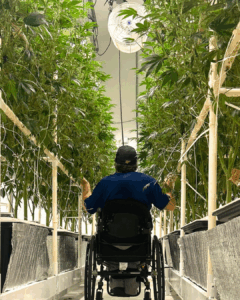
Brent in the Garden 🙂
What separates a “good” genetic from one you’ll actually keep?
“I’ve grown many strains over the last 25 years, and I’m very selective about which ones stay in my mother room.
There are lots of good genetics out there, but to make the grade in my garden they need to be truly special — offering meaningful personal significance and consistency.
Some strains impress me no matter how many times I grow or smoke them. The goal is always to hear someone say the flower I gave them is the best they’ve ever had. When that happens, all the hard work feels worth it.”
What has your lived experience taught you about working with plants?
“My garden and my plants gave me a second chance at life after my injury.
I treat my plants with respect and care — they’ve been my lifeline for as long as I can remember.
When they’re healthy, being around them gives me a sense of calm and grounding.
I know how much responsibility comes with growing cannabis for others, and I take that responsibility very seriously.”
What do you wish consumers understood beyond strain names and THC percentages?
“Judging cannabis strictly by THC or a catchy name is a mistake.
Some of the most meaningful qualities in cannabis can’t be quantified on a lab report.
One of my favourite strains of all time is Shiva Shanti — not because of numbers, but because of the memories and associations I have with it.
That kind of experience matters more than numbers.”
What part of the grow process do you feel most connected to?
“Honestly — all of it.
From cloning and transplanting to pruning, trellising, harvesting, drying, and curing, every step matters. Without attention to detail at each stage, you can’t end up with an exceptional final product.
Even after all these years, I still get excited taking new clones or spending hours pruning with my headphones on — feeling grateful to work with something so beautiful, and so helpful to others.”
In an industry that often chases novelty, Wheelchair Weed is rooted in something far more enduring: care, intention, and lived experience. Honey Bananas earned its place not through hype or lineage, but by proving itself — in the garden and in the lives of those who rely on it.
This Breeder Voyage isn’t about ownership of genetics. It’s about stewardship — listening to plants, respecting their limits, and understanding what they can offer when they’re grown with purpose.
A sincere thank you to Brent for sharing his story, his garden, and the work that happens quietly behind the scenes with his team, where some of the most meaningful cannabis is still being grown.
Over the years, Brent has grown cannabis for a wide range of individuals with diverse needs and lived experiences. To him, every person matters — and every plant matters.
“My plants taught me discipline. They taught me that without taking care of myself, I can’t properly take care of them. Despite my degenerative condition, I’m happier and more grounded than I’ve ever been — because I have purpose. I grow cannabis with care for people who value consistency and trust in the plant.”

This article is intended for editorial and informational purposes only and reflects the personal experiences and cultivation philosophy of the interview subject. It does not constitute medical advice.